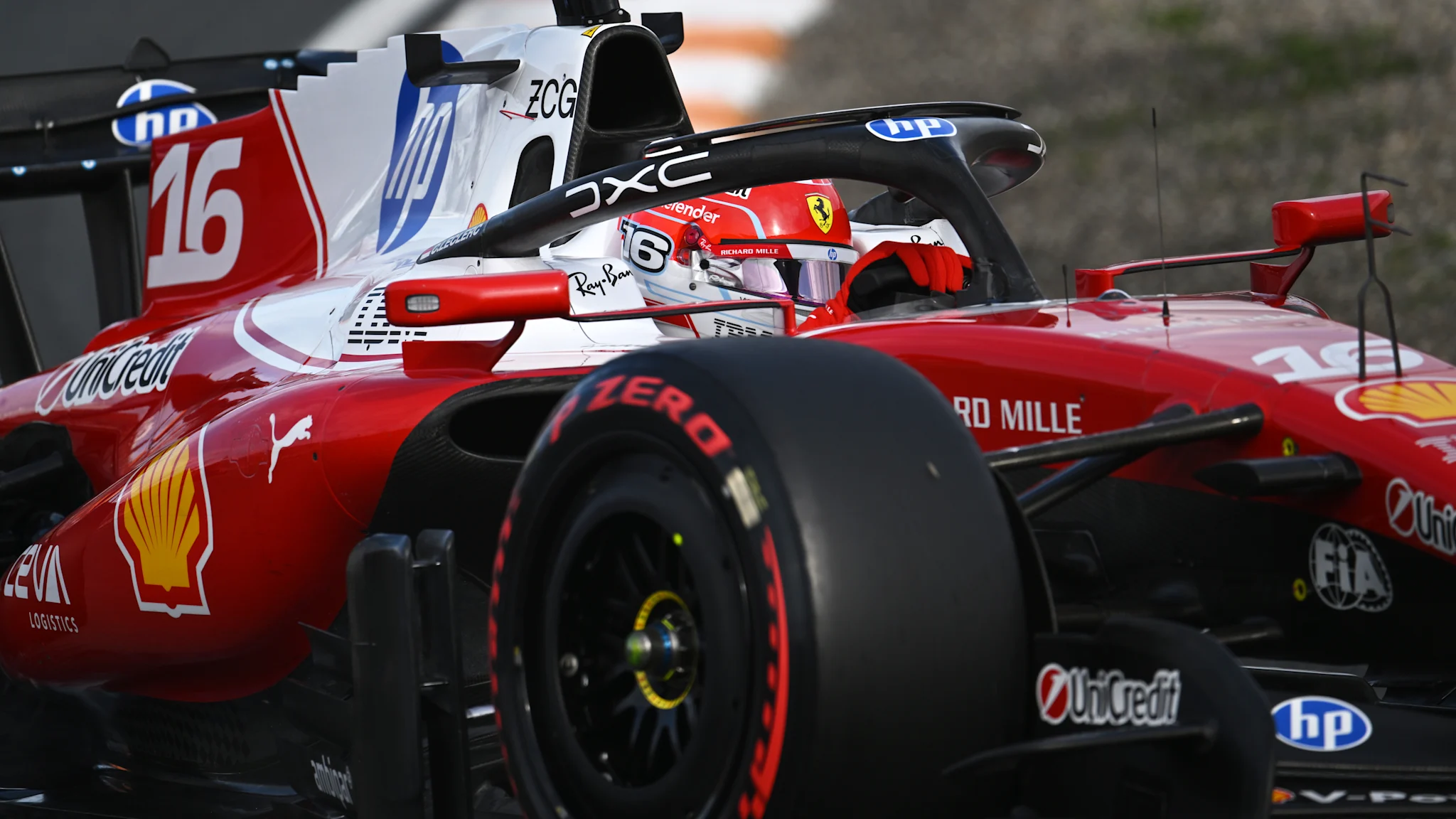
McLaren's Canadian Grand Prix strategy, starting both cars on intermediate tires, was a disastrous gamble. Despite Oscar Piastri's pleas, the team aimed to exploit an unusually cold, damp track for quicker tire warm-up, hoping for a rapid switch to slicks and a one-stop race. This approach would have also met the two-compound rule. Lando Norris's initial lead demonstrated the intermediates' grip advantage, proving the logic wasn't entirely flawed.
However, two unforeseen extra formation laps proved fatal. This extended delay allowed the track to dry significantly, entirely negating the intermediate advantage and leaving McLaren exposed. Haas and Cadillac also took the same risk from lower grid positions, but similarly failed. McLaren's refusal to abandon the strategy, even with Piastri's lobbying, was due to the penalty of a pit lane start. The gamble, while bold, collapsed as track conditions swiftly turned against their narrow window of opportunity, underscoring F1's brutal strategic fine lines.
Read the full story at RaceFans