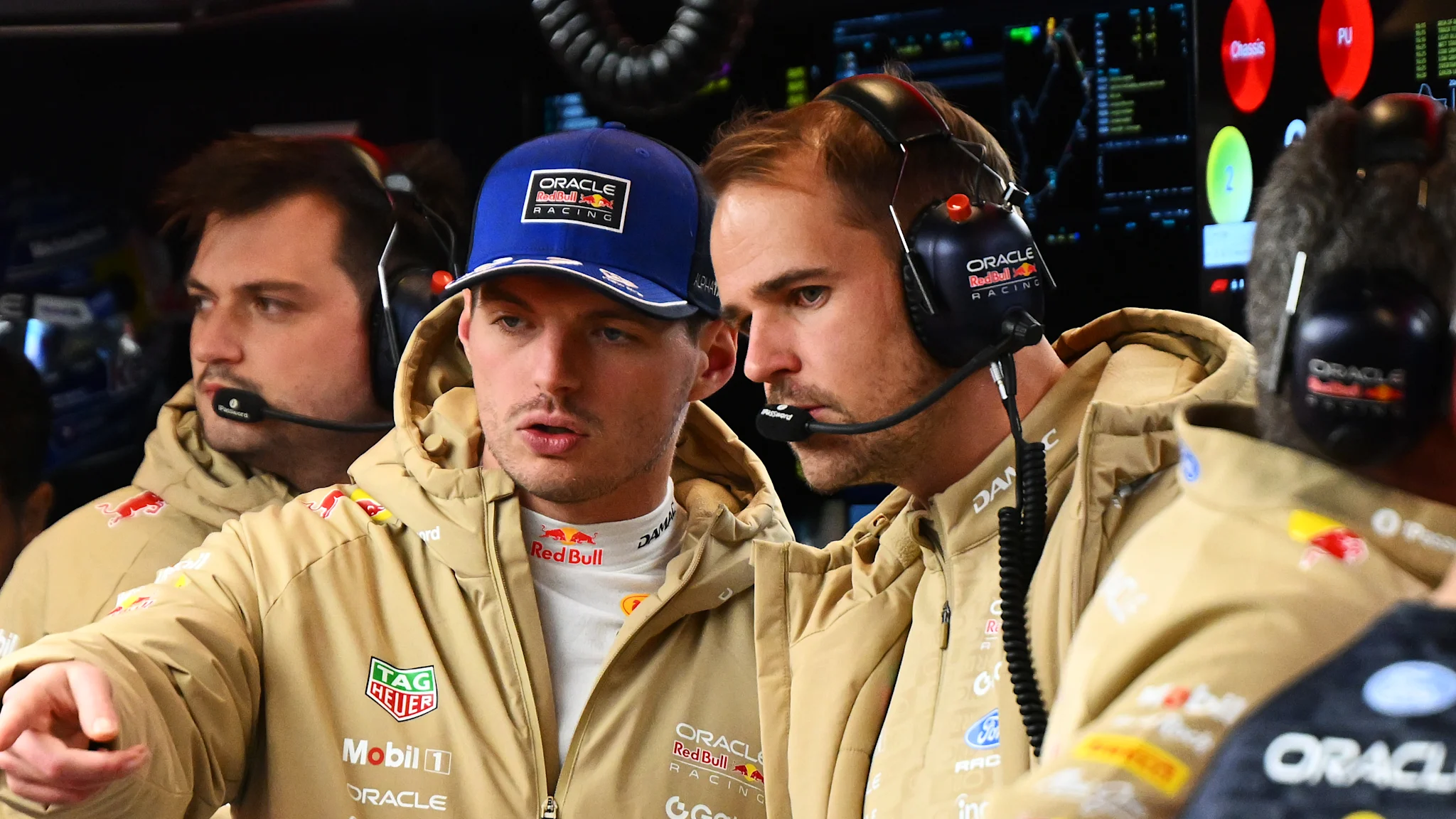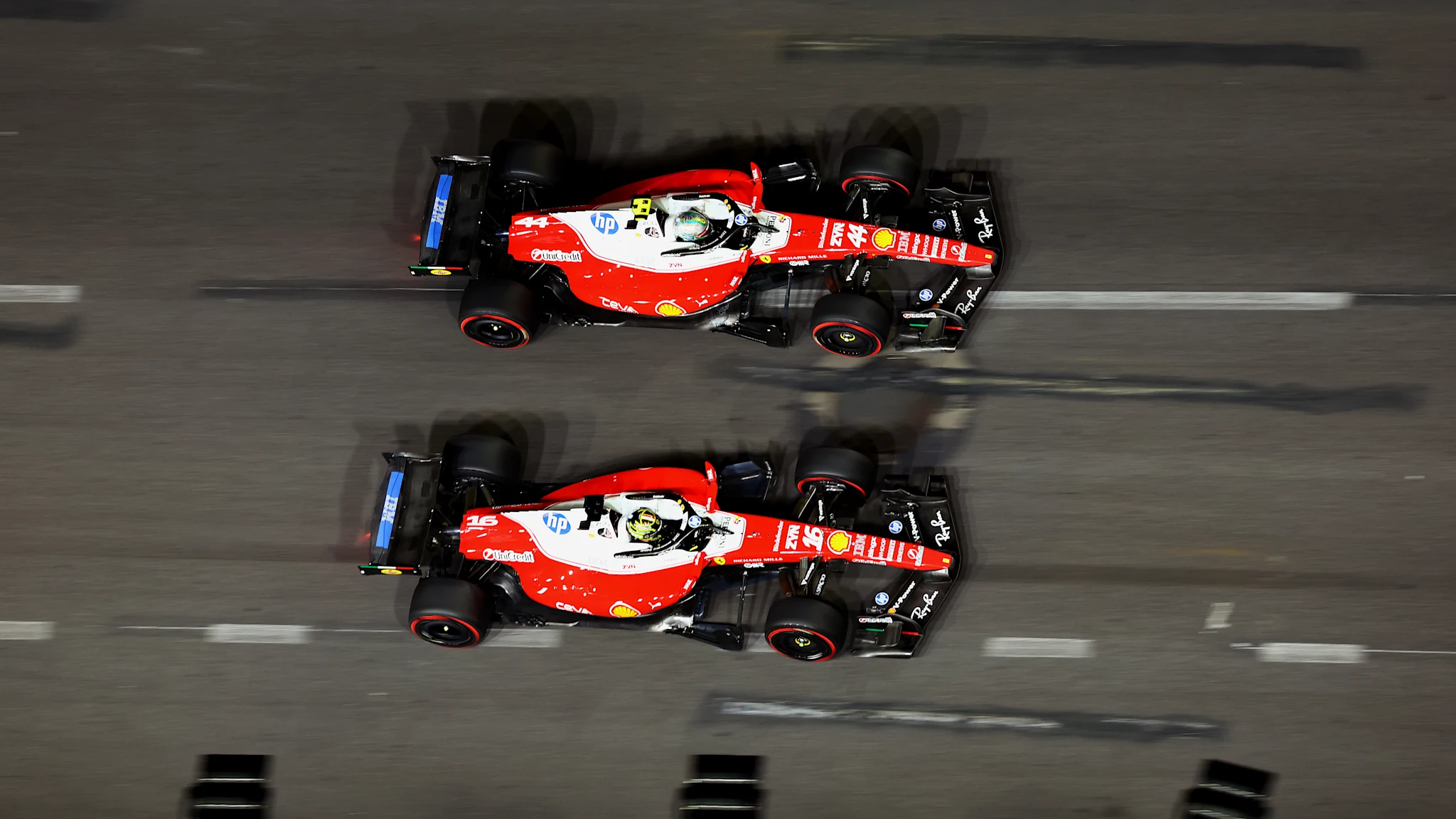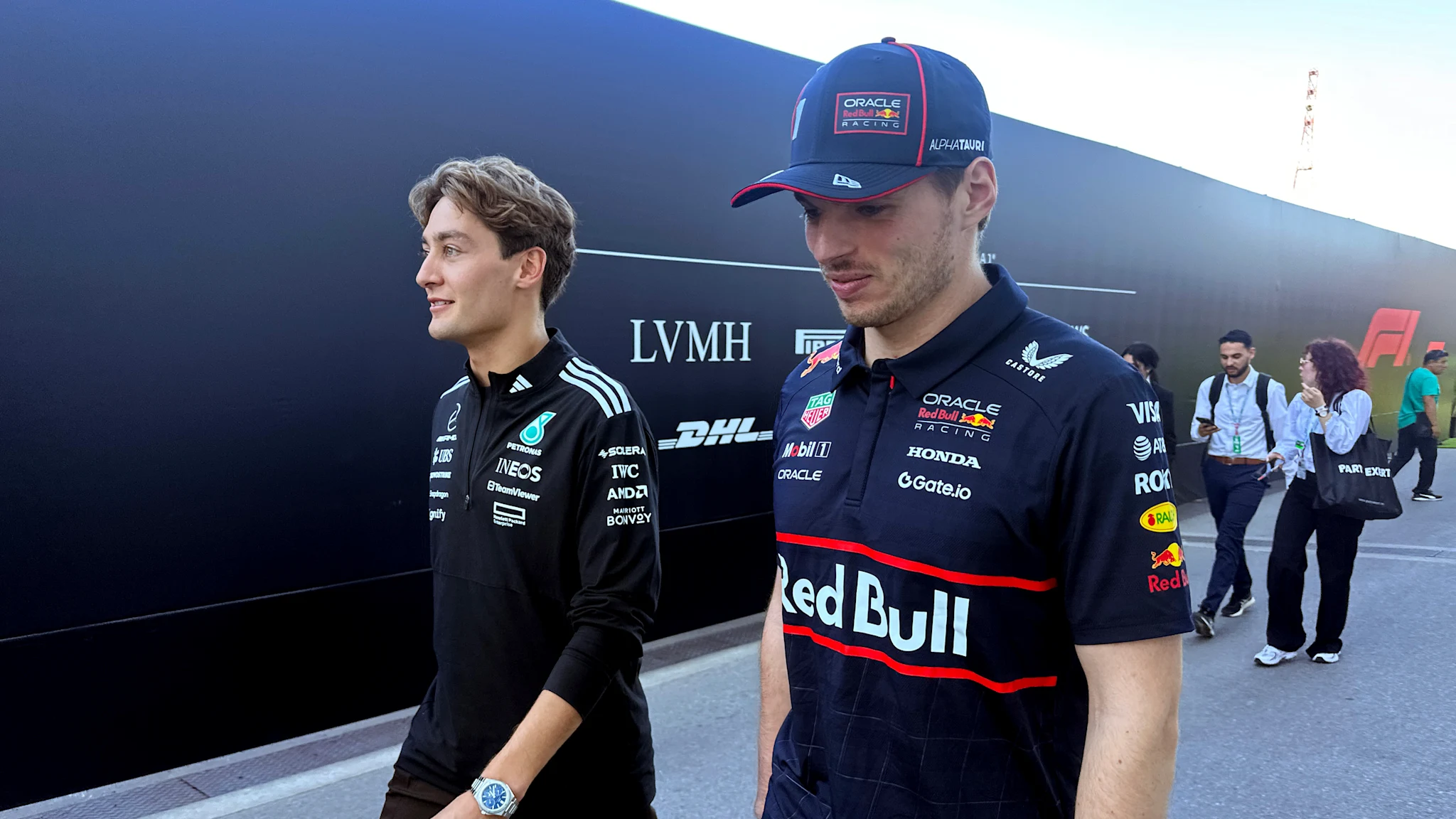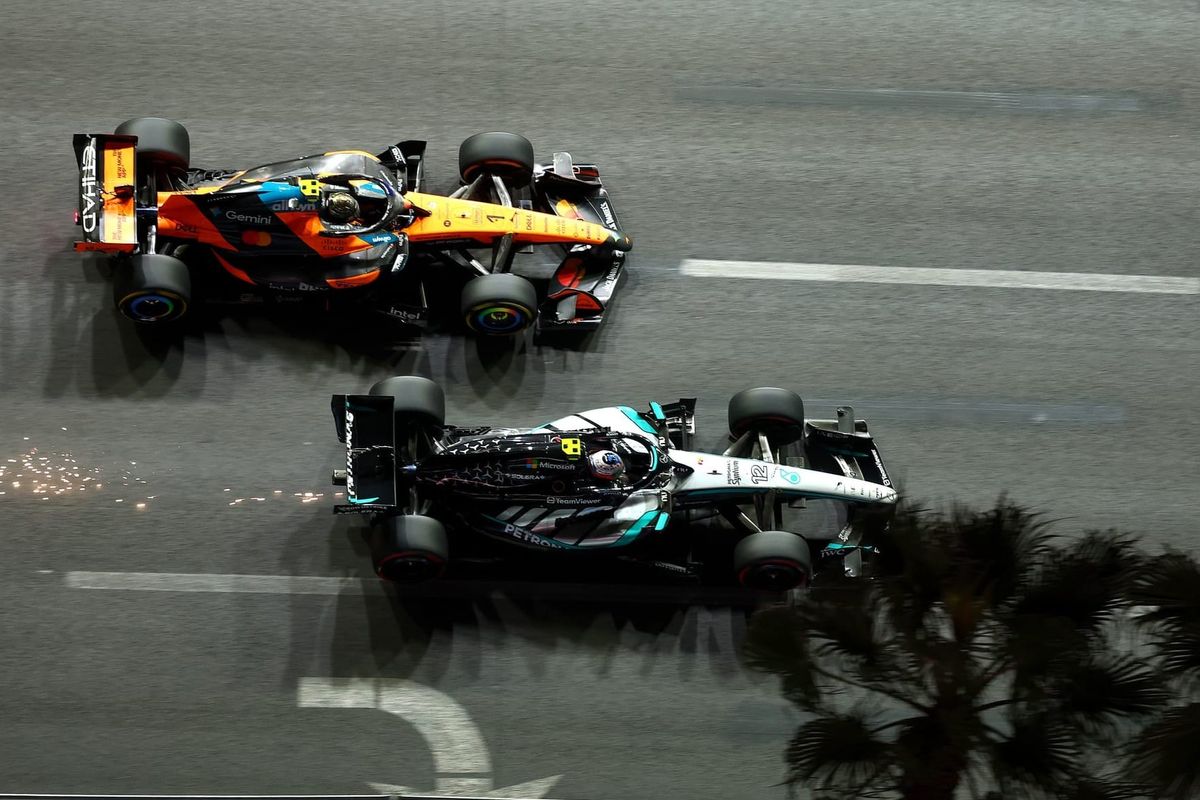
Las Vegas delivered 352 overtakes and 35 lead changes, prompting Verstappen to dismiss it as "Mario Kart" and critics to lump it with early 2026's artificial yo-yo racing. They're wrong. The real culprit was the slipstream effect, massively amplified by Vegas's layout. On the long straight, cars drained their batteries and ran on combustion engines alone—high drag, low power, extended tow window. Russell could close a 1.3-second gap on the straight, something energy offsets alone can't explain. The track's slow corners meant nobody broke free; low tire degradation meant everyone could push flat-out. This wasn't gimmick racing—it was physics, closer to Monza 1971 than the phoniness of Melbourne. For American fans, the Vegas strip delivered a spectacle that actually worked, even if the drivers hated admitting it. Next year's calendar tweaks will show if other venues can replicate it.
Read the full story at The Race