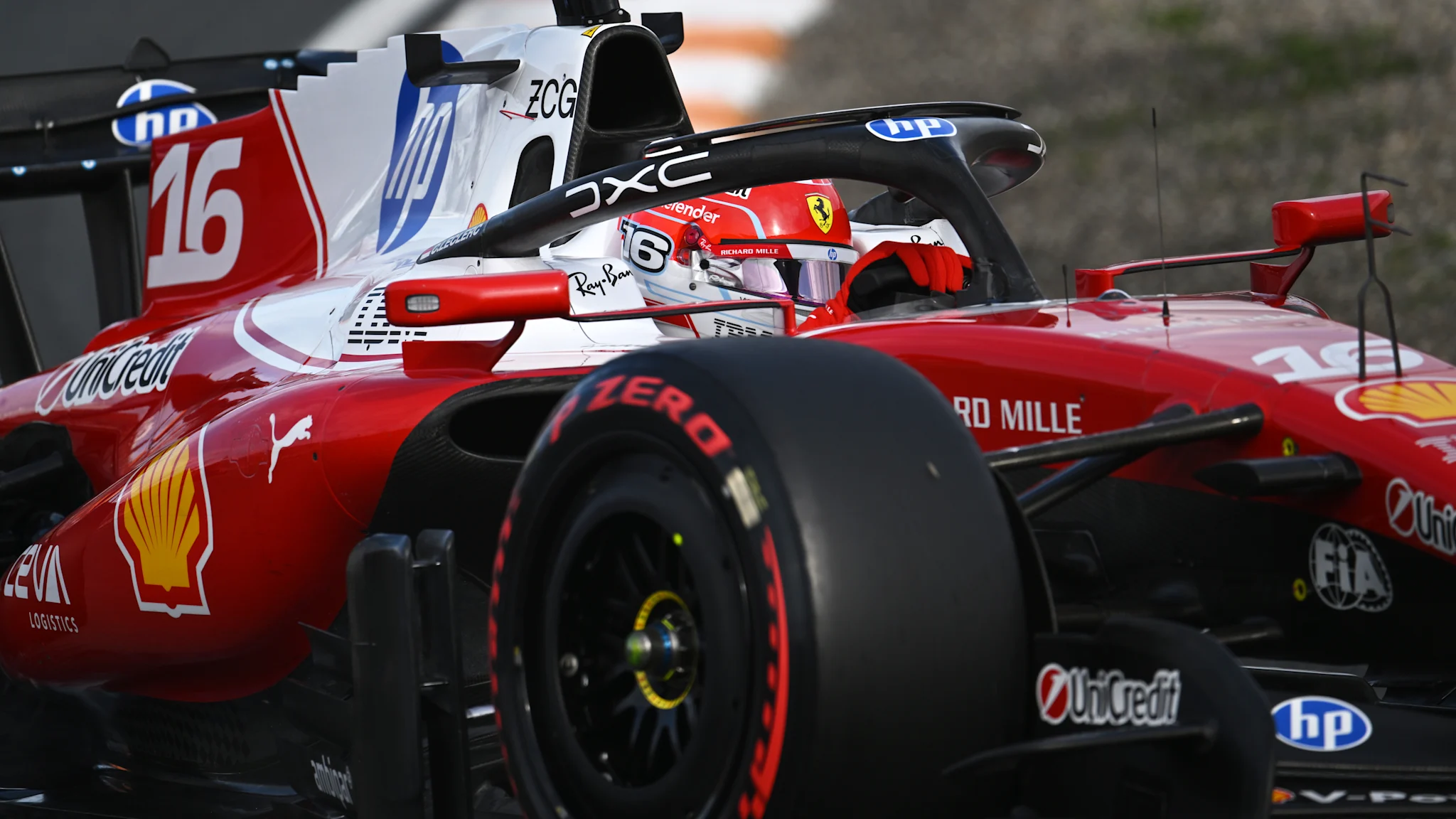
Formula 1 is making significant strides towards its ambitious 2030 net-zero target, reporting a 35% reduction in CO2 emissions compared to its 2018 baseline. The latest verified figures show an 11.8% drop year-on-year, bringing total emissions to 148,805 tonnes of CO2 equivalent. This puts F1 firmly on track to achieve a 50% reduction by 2030, with remaining unavoidable emissions to be offset.
Key gains stem from F1 management and team factories transitioning to renewable energy. The sport is also aggressively cutting travel emissions through investments in sustainable aviation and maritime fuels, increased remote operations, and reduced freight. All European paddock operations now utilize renewable energy, and teams like Mercedes are deploying electric trucks. Looking ahead, F1 plans to establish regional equipment hubs and aims to remove 50% of broadcast freight from air transport by 2030. Strategically, twinning the Miami and Montreal races from 2026 will further contribute to these savings, showcasing F1's commitment to sustainable operations on a global scale.
Read the full story at Motorsport.com