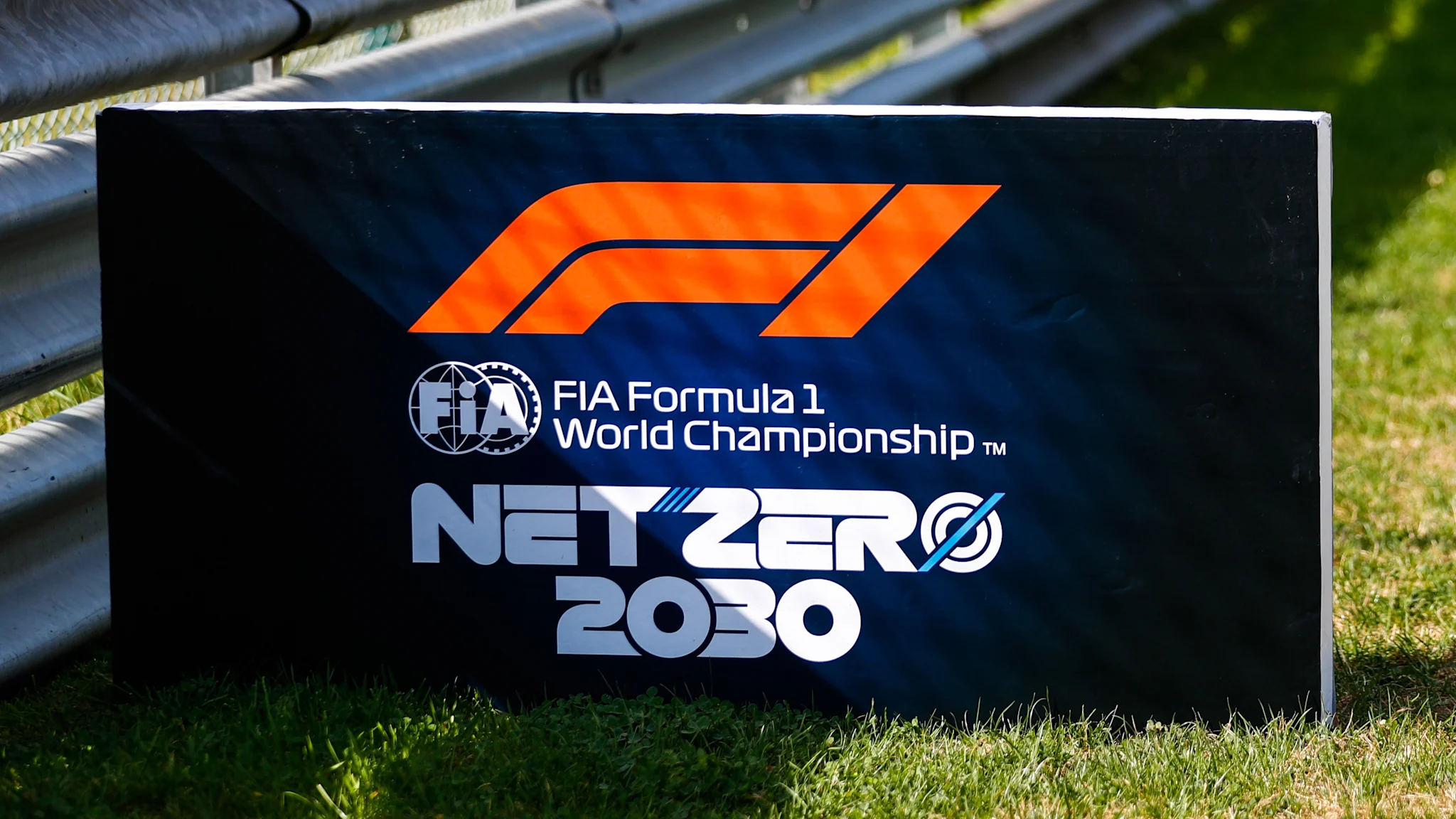
Formula 1’s latest Impact Report confirms the sport is on track for its Net Zero 2030 target, having reduced its carbon footprint by a significant 35% since 2018. F1 has removed almost 80,000 tCO2e from operations, cutting emissions across freight, logistics, broadcast, and race operations. Driving this reduction, F1 shifts freight from air to sea and regional hubs, especially for broadcast, while doubling investment in sustainable aviation fuel. Team factories and facilities also contributed, seeing a 64% emissions cut by transitioning to renewable energy sources. On race weekends, 2025 European rounds achieved a 17% per-race reduction in event operations, deploying low-carbon energy like HVO, solar, and battery systems. These gains happened despite the F1 calendar expanding from 21 to 24 races. The sport's continued focus on sustainable innovation aims to further cement F1’s environmental leadership through 2030.
Read the full story at formula1.comFORMULA 1 ON TRACK TO MEET NET ZERO 2030 TARGET
Formula 1’s latest Impact Report confirms the sport is on track for its Net Zero 2030 target, having reduced its carbon footprint by a significant **35%** since 2018. F1 has removed almost 80,000 tCO2e from operations, cutting emissions across freight, logistics, broadcast, and race operations. Driving this reduction, F1 shifts freight from air to sea and regional hubs, especially for broadcast, while doubling investment in sustainable aviation fuel. Team factories and facilities also contributed, seeing a **64%** emissions cut by transitioning to renewable energy sources. On race weekends, 2025 European rounds achieved a **17%** per-race reduction in event operations, deploying low-carbon energy like HVO, solar, and battery systems. These gains happened despite the F1 calendar expanding from 21 to 24 races. The sport's continued focus on sustainable innovation aims to further cement F1’s environmental leadership through 2030.