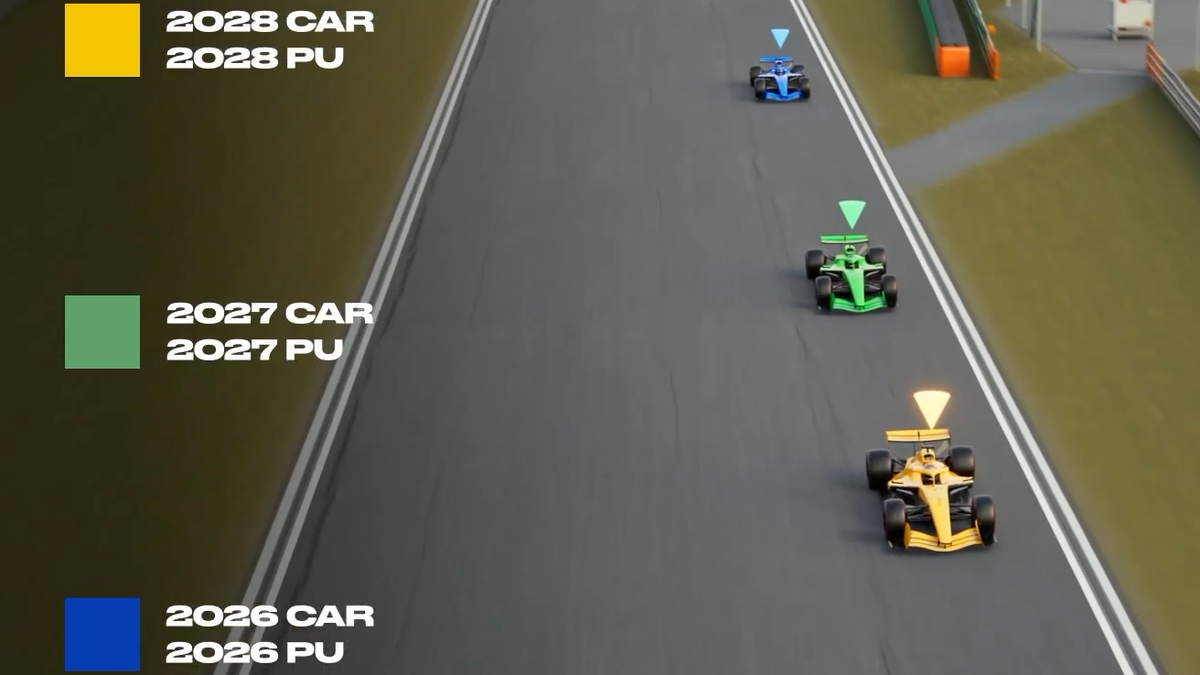
F1 teams' simulation data reveals the 2027 and 2028 engine rule changes will deliver significantly faster cars. The two-step plan shifts the power unit's internal combustion engine (ICE) to battery split from 53/47 today to a more ICE-dominant 60/40 by 2028. This comes from increased fuel flow, reduced maximum battery power, and enhanced energy harvesting capabilities. Drivers will no longer suffer "energy starvation" on long straights, allowing for more flat-out racing and sustained top speeds.
Simulations project a two-second per lap improvement by 2027 and a dramatic three to four-second gain by 2028 compared to current lap times. This level of performance could even see cars beating existing lap records at power-rich circuits. Even vocal critics like Max Verstappen acknowledge these changes are "heading in the right direction." The FIA and teams aim to create a more natural, faster driving experience, moving away from the "soul-hurting" power drops experienced on long straights with current battery management. This aggressive power unit evolution promises a thrilling future for Formula 1, pushing lap records and driver limits.
Read the full story at The Race