Formula 1 announced a significant 35% cut to its carbon footprint since 2018, moving closer to its 2030 Net Zero target. This reduction, equivalent to 100,000 London-to-New York passenger flights, stems from efforts across freight, logistics, and race operations, with a 12% drop in the last year alone. While the overall figure includes sustainability certificates for clean fuel, F1 also reports a substantial 21% physical emissions cut without them.
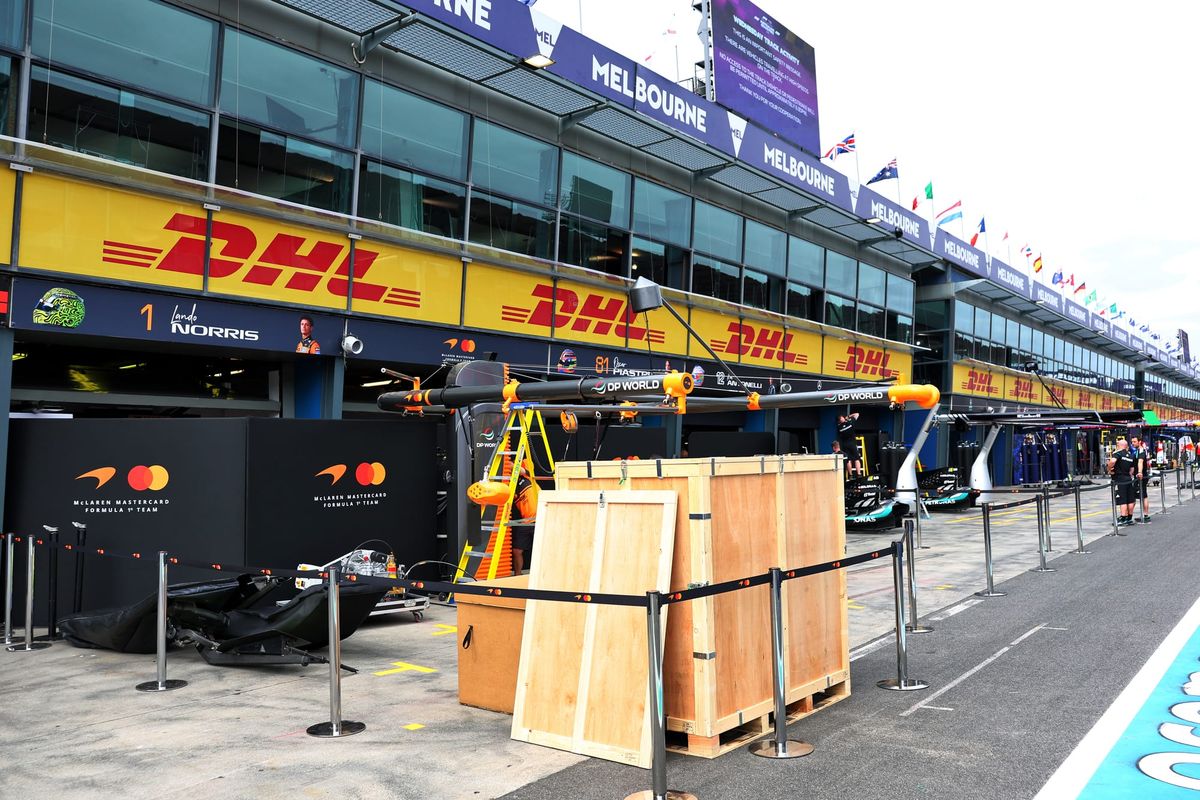
Team factories and facilities are down 64% through renewable energy adoption, and European paddocks now leverage low-carbon solutions, slashing their local emissions by 90%. Despite a larger 24-race calendar, event operations emissions have fallen 17% per race. Business travel, primarily air travel for personnel, remains the single largest emissions category at 39%. F1’s strategy now leans heavily into its Future Race Operations Programme, aiming to shift over 50% of broadcast and related freight from air to sea or regional hubs by 2030. This genuine operational decarbonization is crucial for hitting the 50% absolute reduction target and truly achieving Net Zero.
Read the full story at The Race