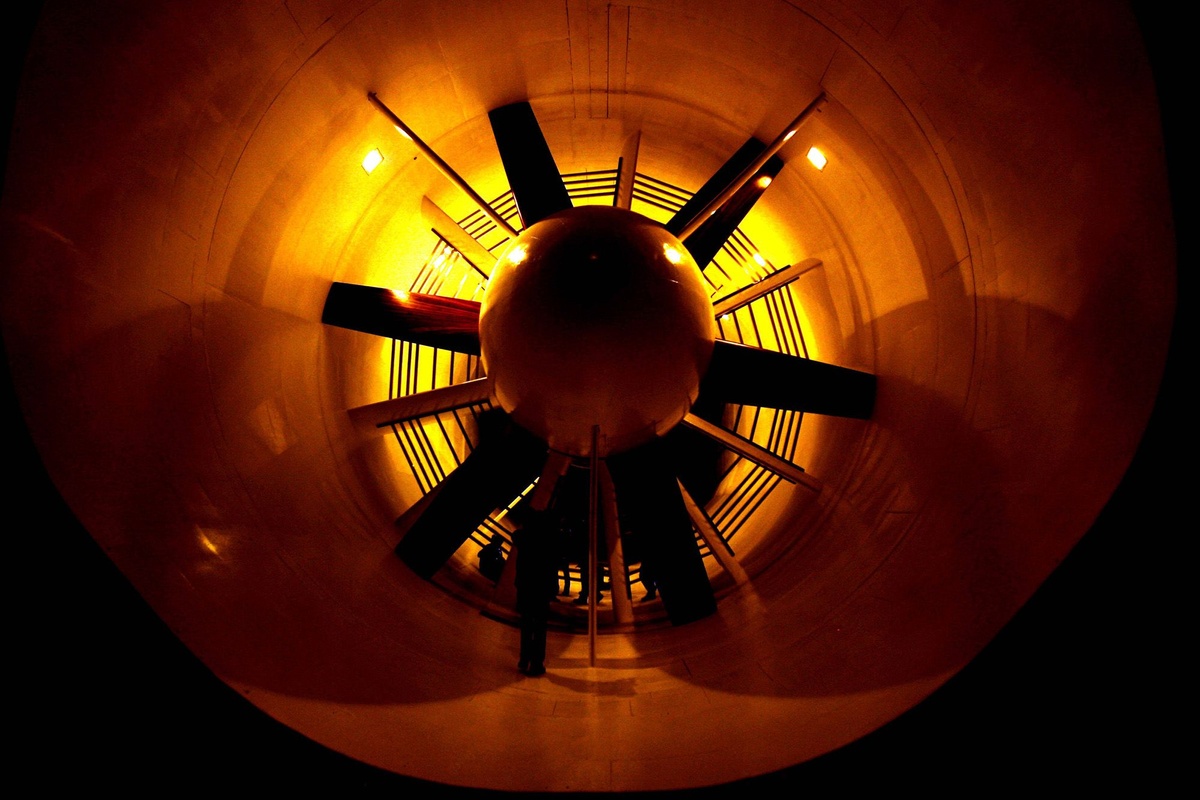
Red Bull’s highly anticipated new wind tunnel faces further delays, now projected to be operational only in early 2027. This pushes back critical development for the upcoming 2026 regulations, forcing the reigning champions to rely on what Christian Horner called a "Cold War relic" facility for another full season. The outdated tunnel has often led to correlation struggles between simulation and track performance.
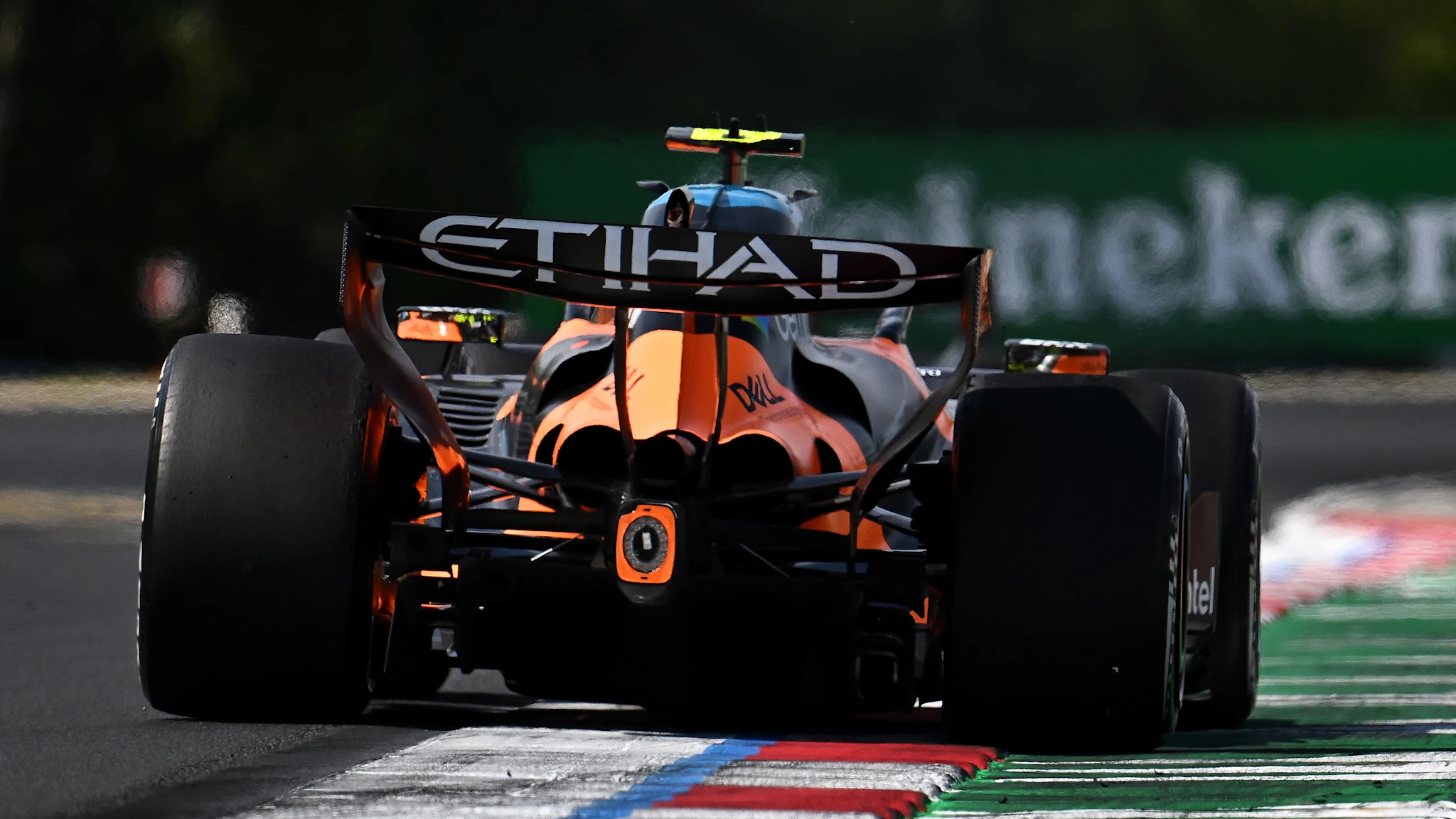
However, recent developments offer a glimmer of hope. While Max Verstappen barely registered the Japan upgrade, the extensive Miami package – featuring a new Macarena wing and revised sidepods – performed exactly as predicted, providing encouraging signs for their current correlation efforts. Technical director Pierre Wache confirms a "minor step" for the Canadian Grand Prix, with aims to hit minimum weight by the Austrian GP. Relying on old infrastructure for their 2026 car puts Red Bull at a distinct disadvantage against rivals like McLaren and Aston Martin, who already boast state-of-the-art wind tunnels. They'll need to maximize every track session to validate data.
Read the full story at Motorsport.com