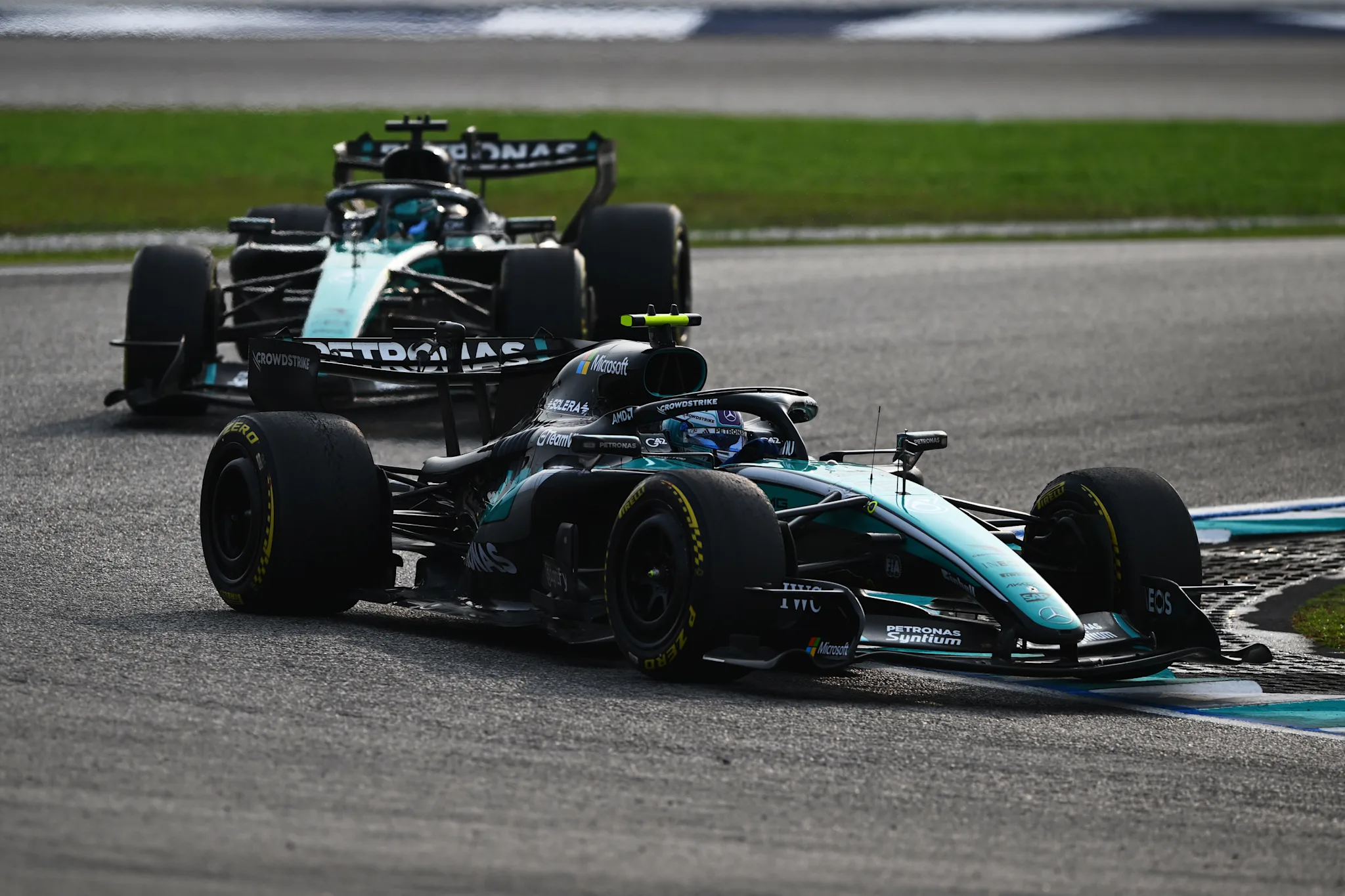
Red Bull and Ferrari upended the Mercedes-McLaren stranglehold in Malaysia, with Verstappen taking pole and the win at Sepang while the usual front-runners stumbled. Mercedes' upgrade package backfired spectacularly, costing half a second instead of delivering the projected three-tenth gain. McLaren expected to dominate but fell flat.
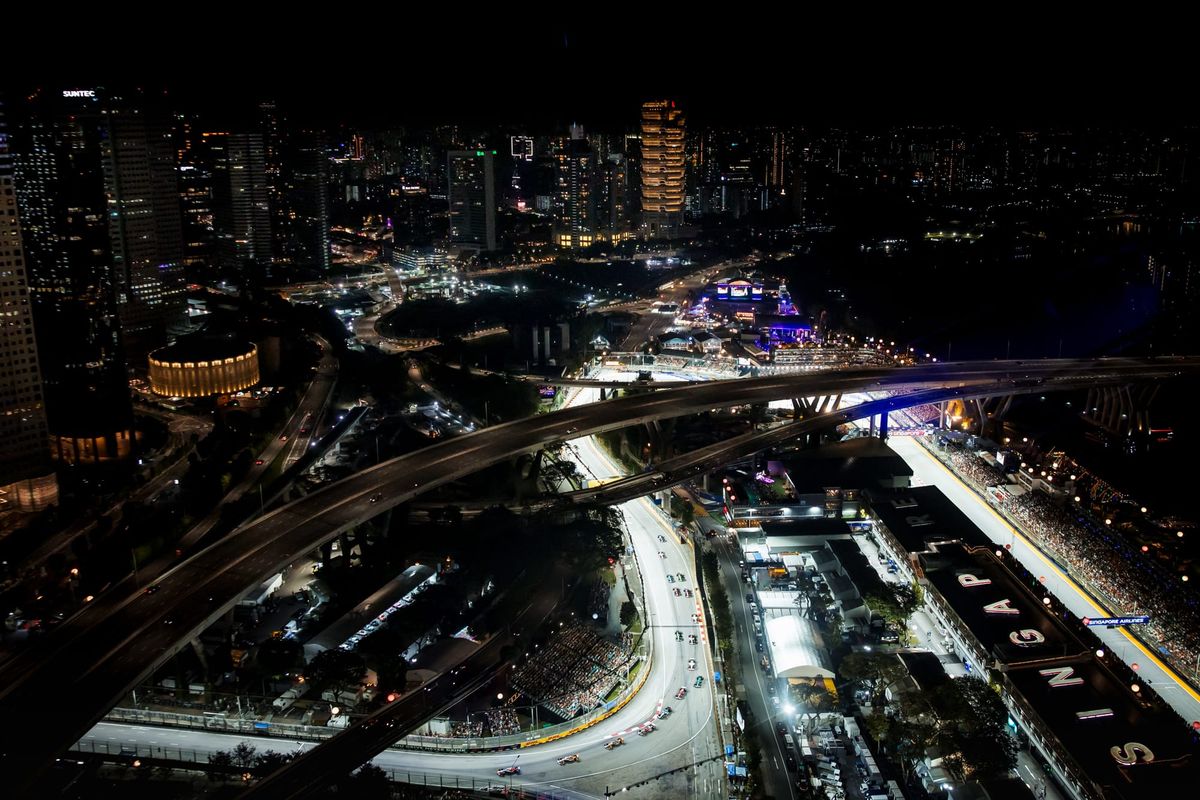
The culprit appears to be Sepang's notoriously rough, broken-up asphalt. McLaren's Andrea Stella hinted at something deeper than tire degradation—loose stones in the track surface generate disturbed airflow that doesn't behave as predicted across the car's aero surfaces. Some cars proved hypersensitive to this turbulence, losing real-world performance even when the data showed they should have been extracting full downforce. It's an echo of the 2022-25 ground-effect era, when underfloor aero made cars brutally sensitive to disrupted airflow. Mercedes called it a "3D problem." Championship leader Kimi Antonelli salvaged second but never threatened Verstappen. Singapore's smooth surface will reveal whether this was a Sepang anomaly or a deeper aero flaw.
Read the full story at The Race