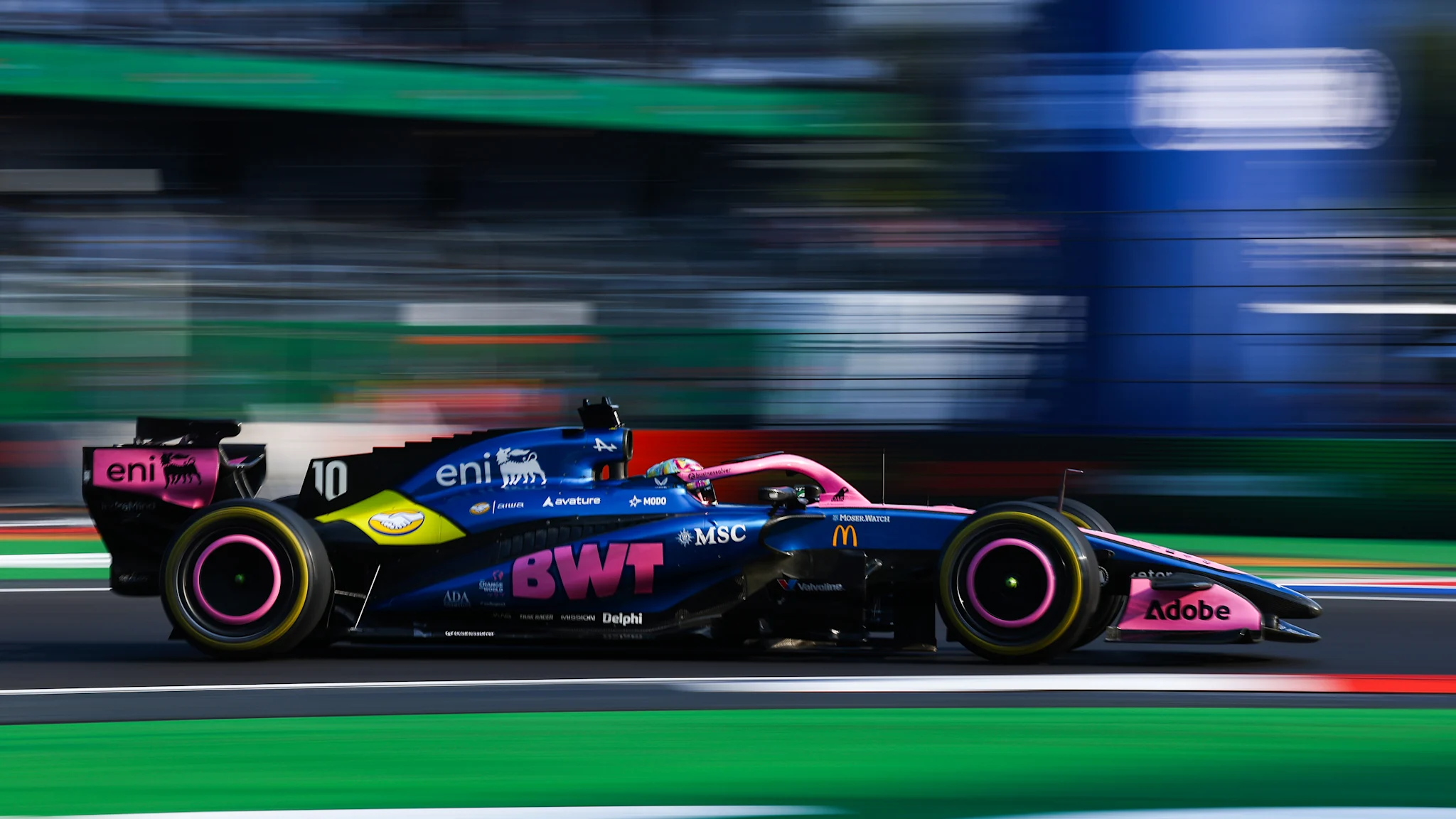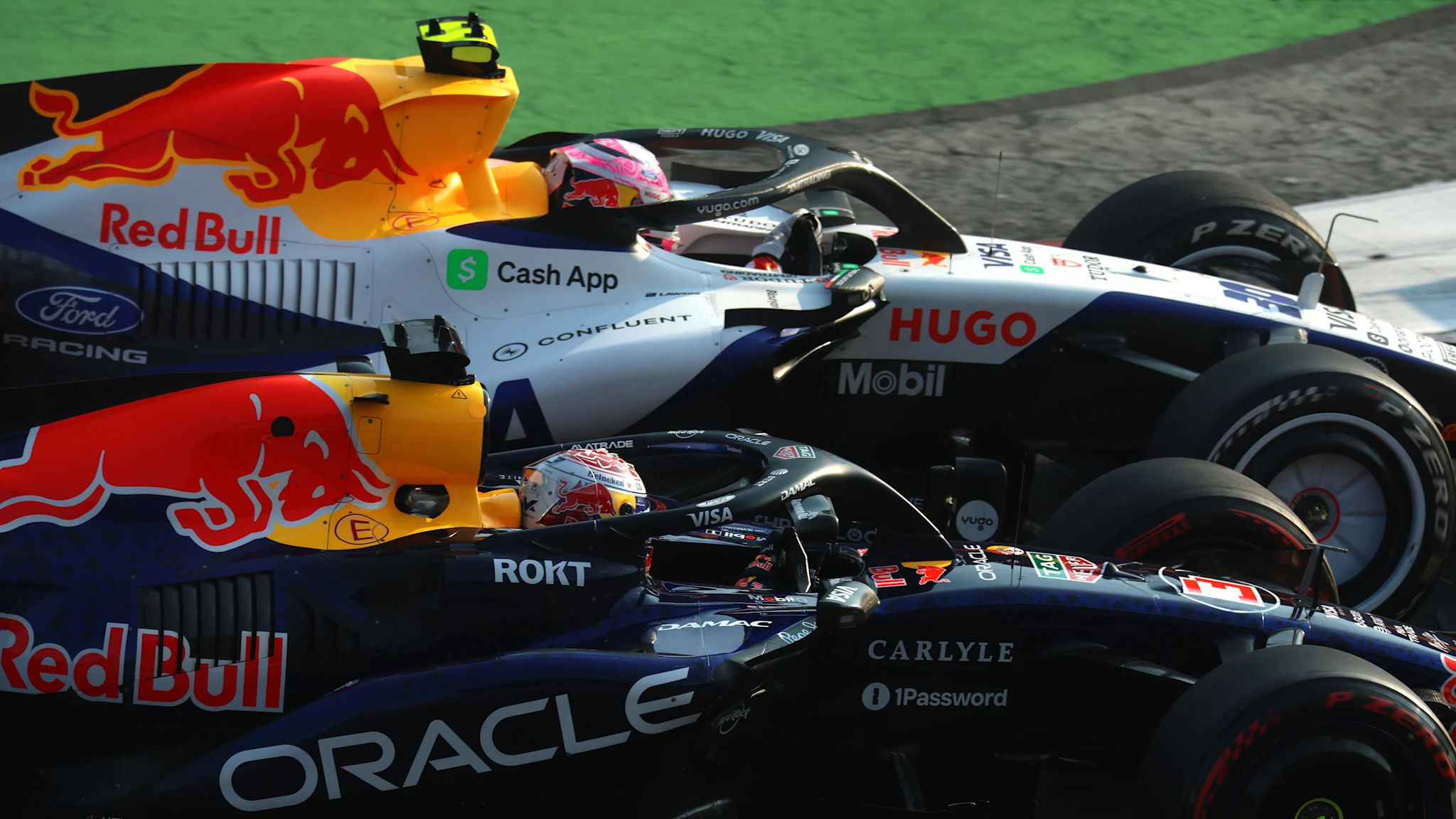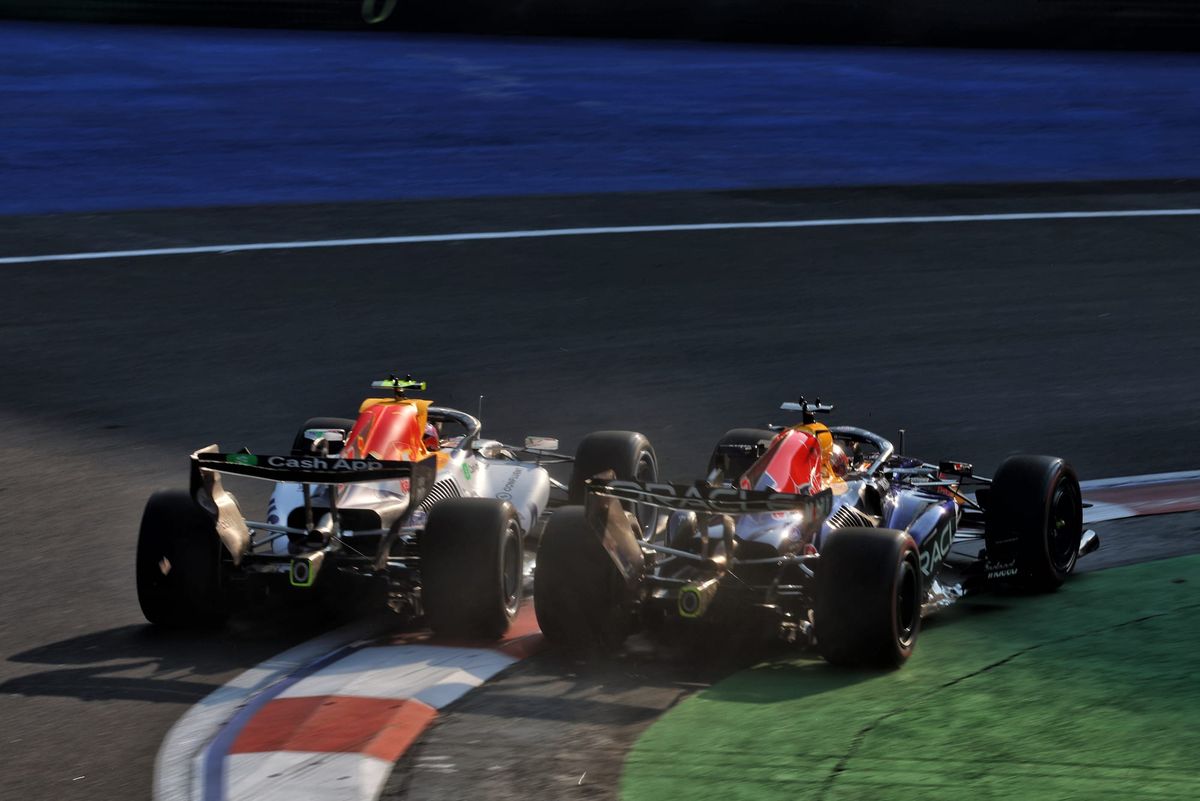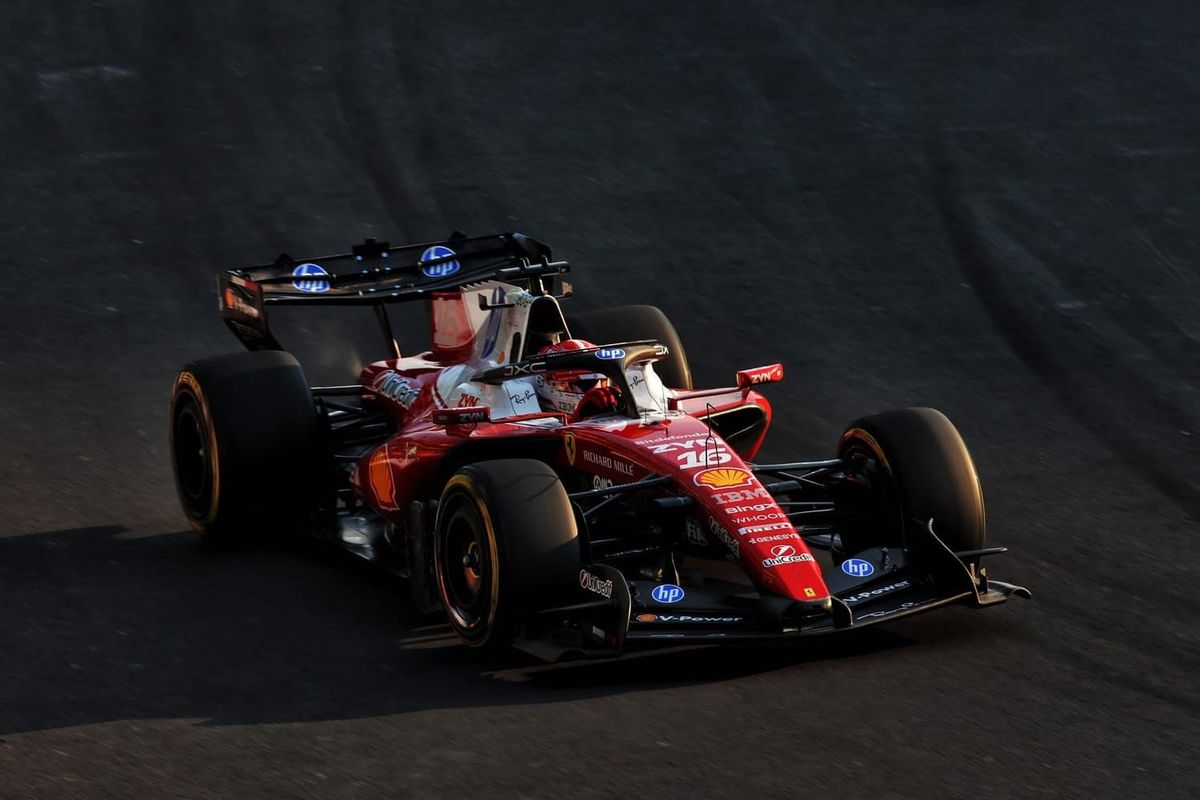
Mexico delivered the first session where F1's 2026 cars beat their 2025 predecessors — Charles Leclerc's FP1 time a quarter-second quicker than last year. The usual two-to-three-second deficit should shrink to around 1.4 seconds in qualifying, the smallest gap of the season.
Three factors converge at altitude. Partial resurfacing from Turn 10 to Turn 1 and more support-series rubber improved the track surface. More critically, thin air penalizes these cars less — they shed less downforce than ground-effect machines did, and the hybrid's electrical component doesn't care about oxygen levels. The 2026 cars bank four tenths on Verstappen's 2025 benchmark by Turn 4 on deployment alone, then bleed it through slow corners.
Leclerc's Ferrari runs the weakest power unit in the top four, so the real gap is larger. If the electrical advantage holds through Sunday, Mexico previews what 2026 racecraft looks like when cars aren't energy-starved.
Read the full story at The Race