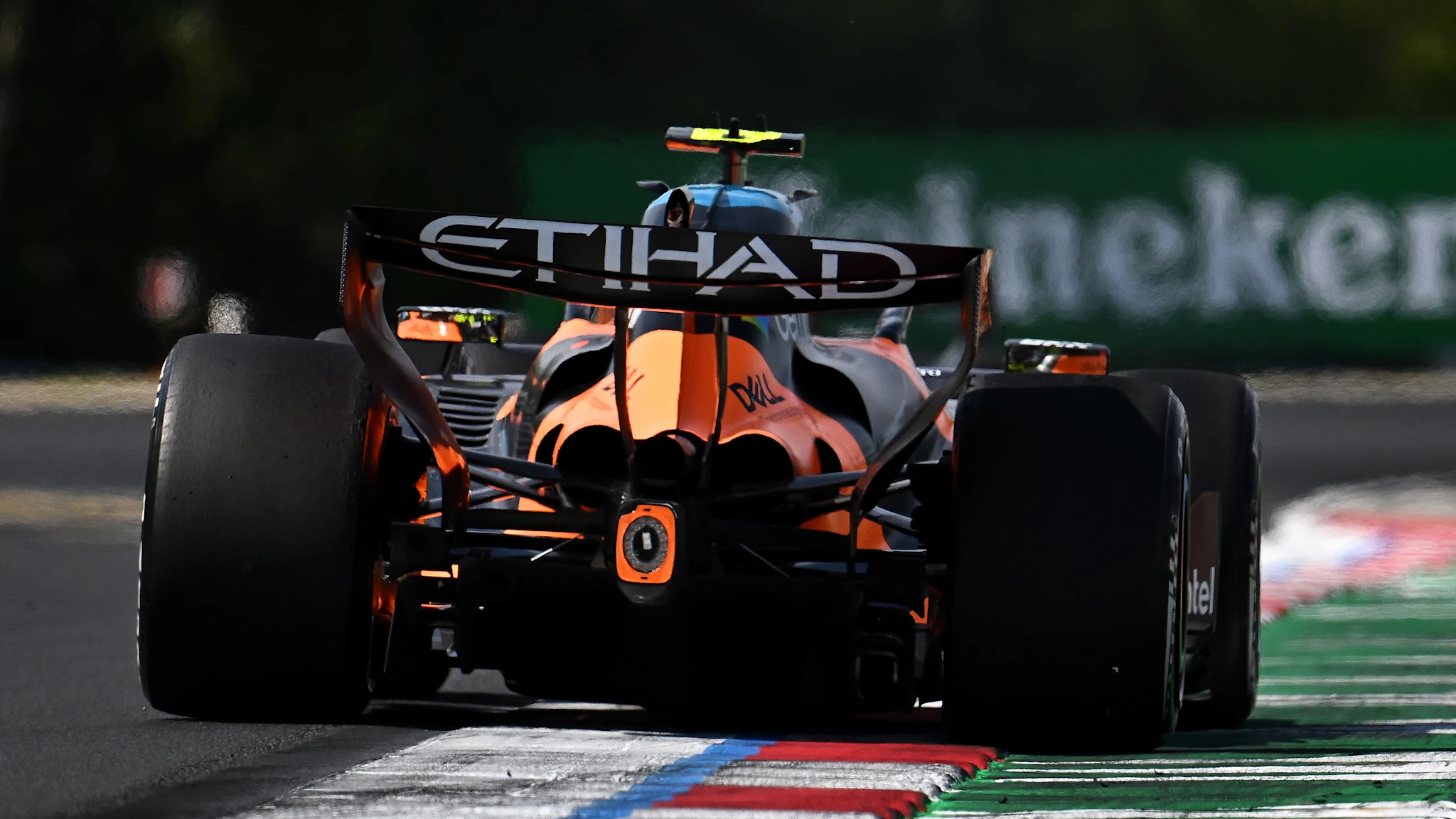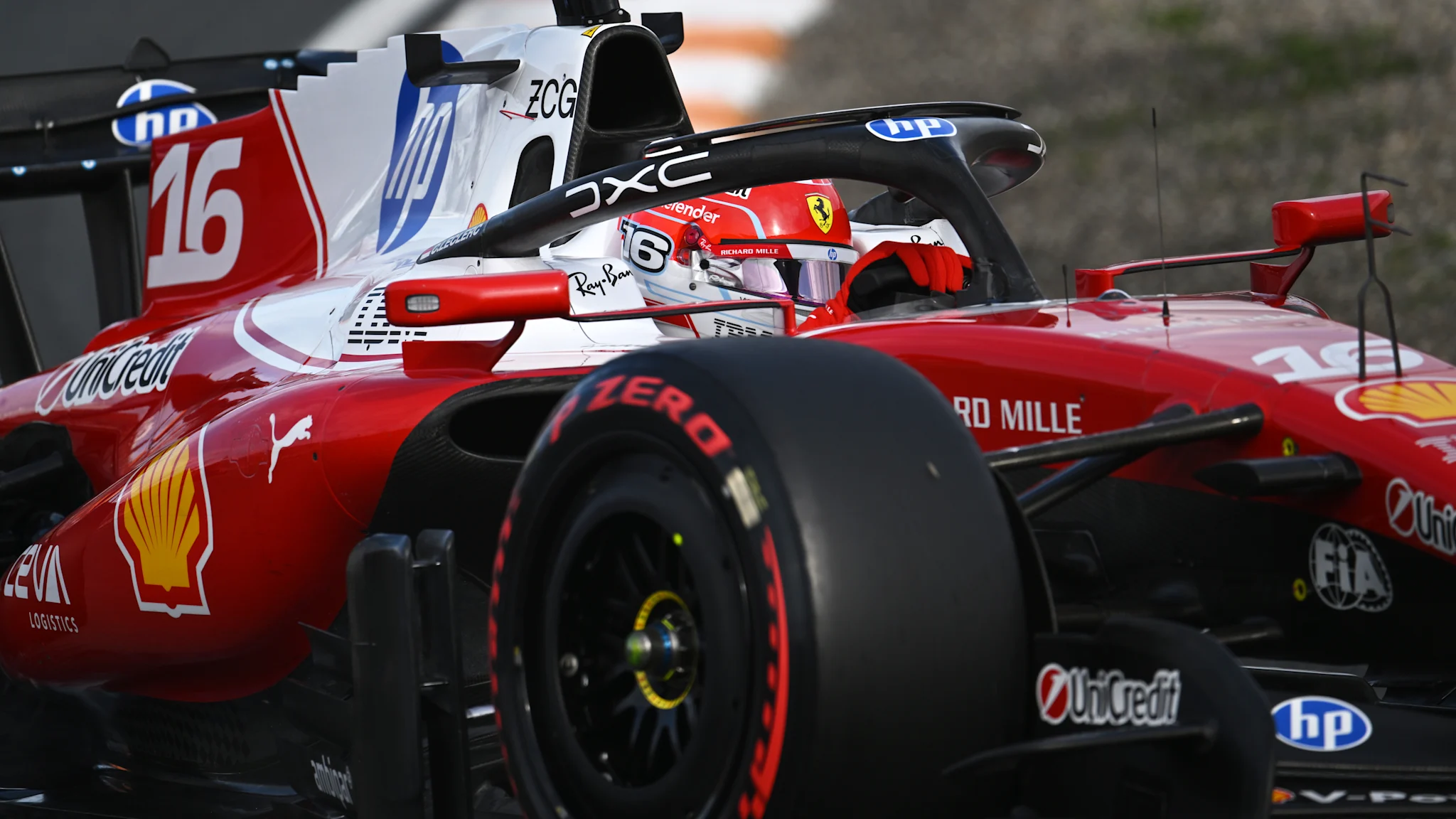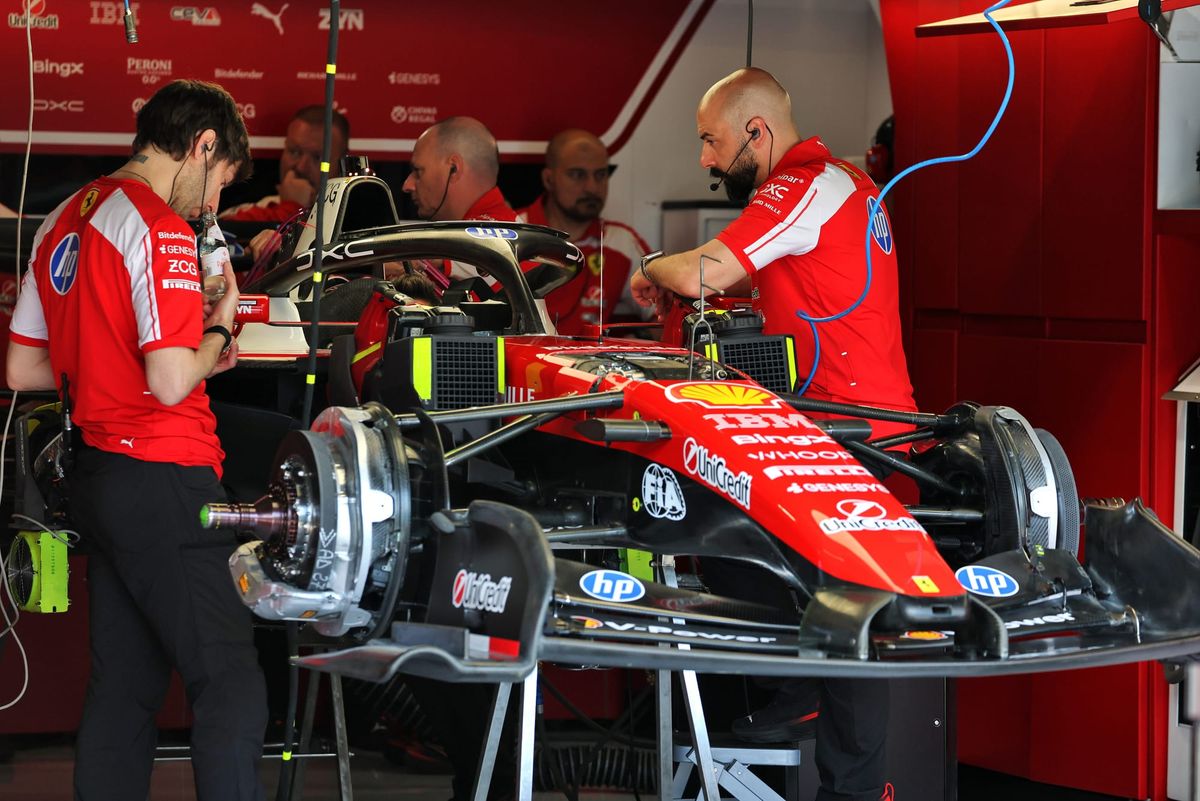
Charles Leclerc’s Monaco crash wasn't due to a brake failure but a complex temperature issue, rooted in the sport's evolving technical regulations. After Leclerc claimed three brakes were "not working" and his rears were "totally cold," supplier Brembo expressed surprise, stating early data showed no obvious breakage.
The problem stems from F1's 2026 power unit philosophy, which has already begun impacting current car design. Greater energy harvesting means rear brake discs see significantly less mechanical use, making them prone to falling out of their optimal temperature window. This issue is compounded by lighter, slower cars generating 20% less energy through the brakes overall. As Brembo's CEO previously warned, "very, very cold" rear brakes cause inconsistent friction, leading to "strange behaviours."
While five teams use similar Brembo components, Ferrari and Leclerc appear more susceptible. Leclerc's less aggressive initial brake application, compared to a driver like Hamilton, combined with Ferrari's possible conservative rear brake design choices, creates a perfect storm. Expect teams to battle these temperature inconsistencies, especially in cooler conditions, as the grid adapts to the harvesting-heavy era.
Read the full story at The Race