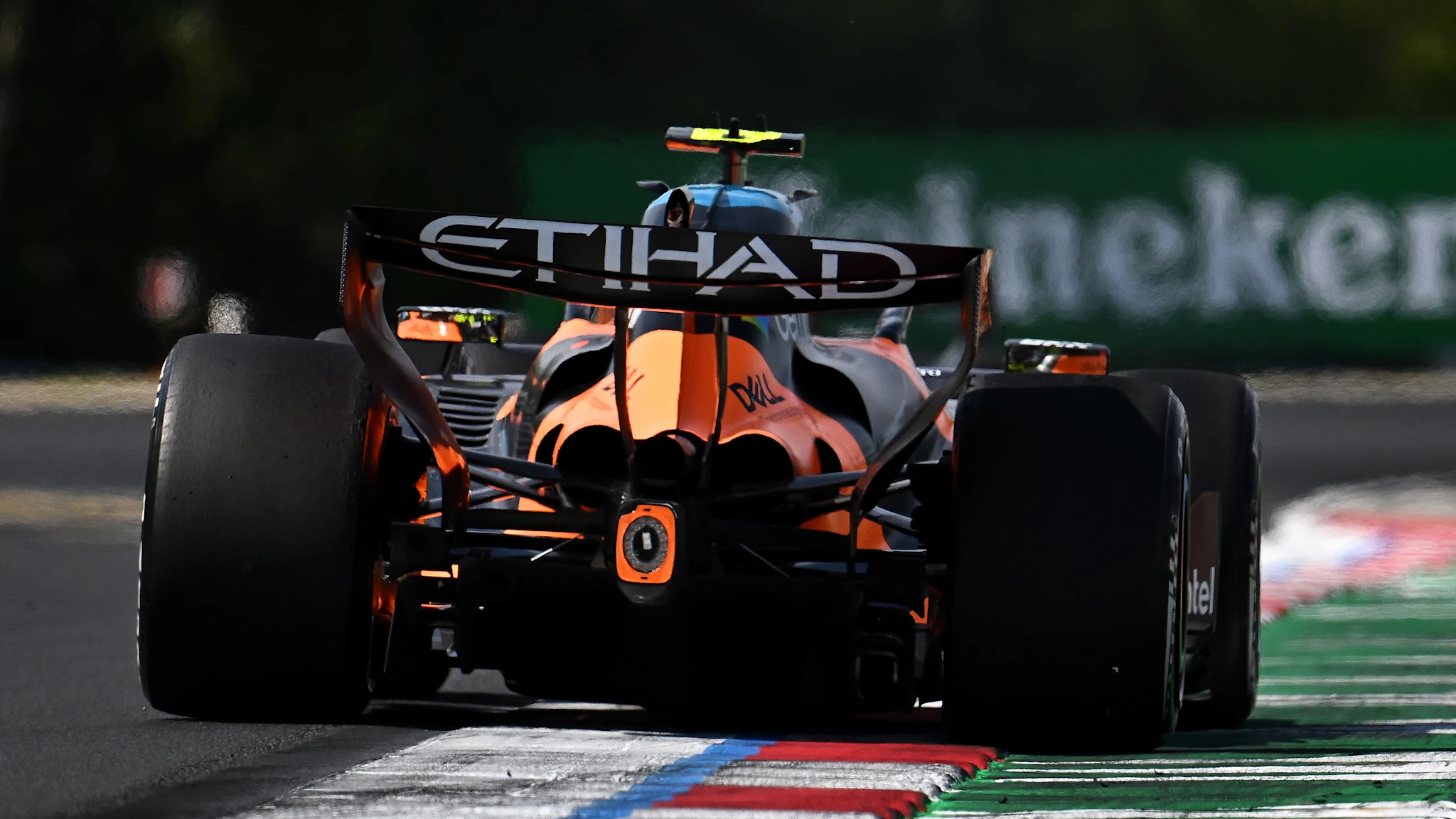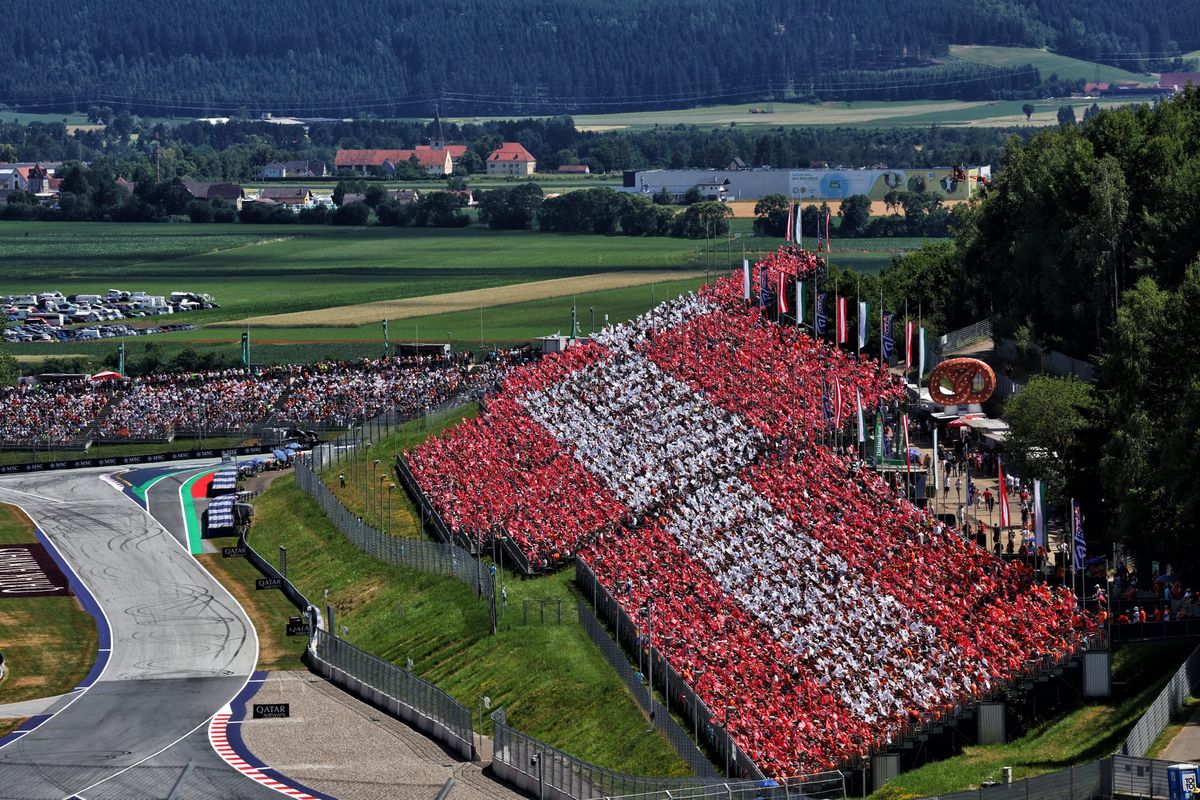
The Austrian Grand Prix at the Red Bull Ring will present a unique challenge for Formula 1's power units, with its high altitude offering a crucial preview of 2026 engine dynamics. Situated 678 meters above sea level, the thinner air – roughly 8% less dense than at sea level – means turbos must work harder to compensate. Critically, the absence of the MGU-H, which is removed under 2026 regulations, eliminates a key tool for mitigating turbo lag.
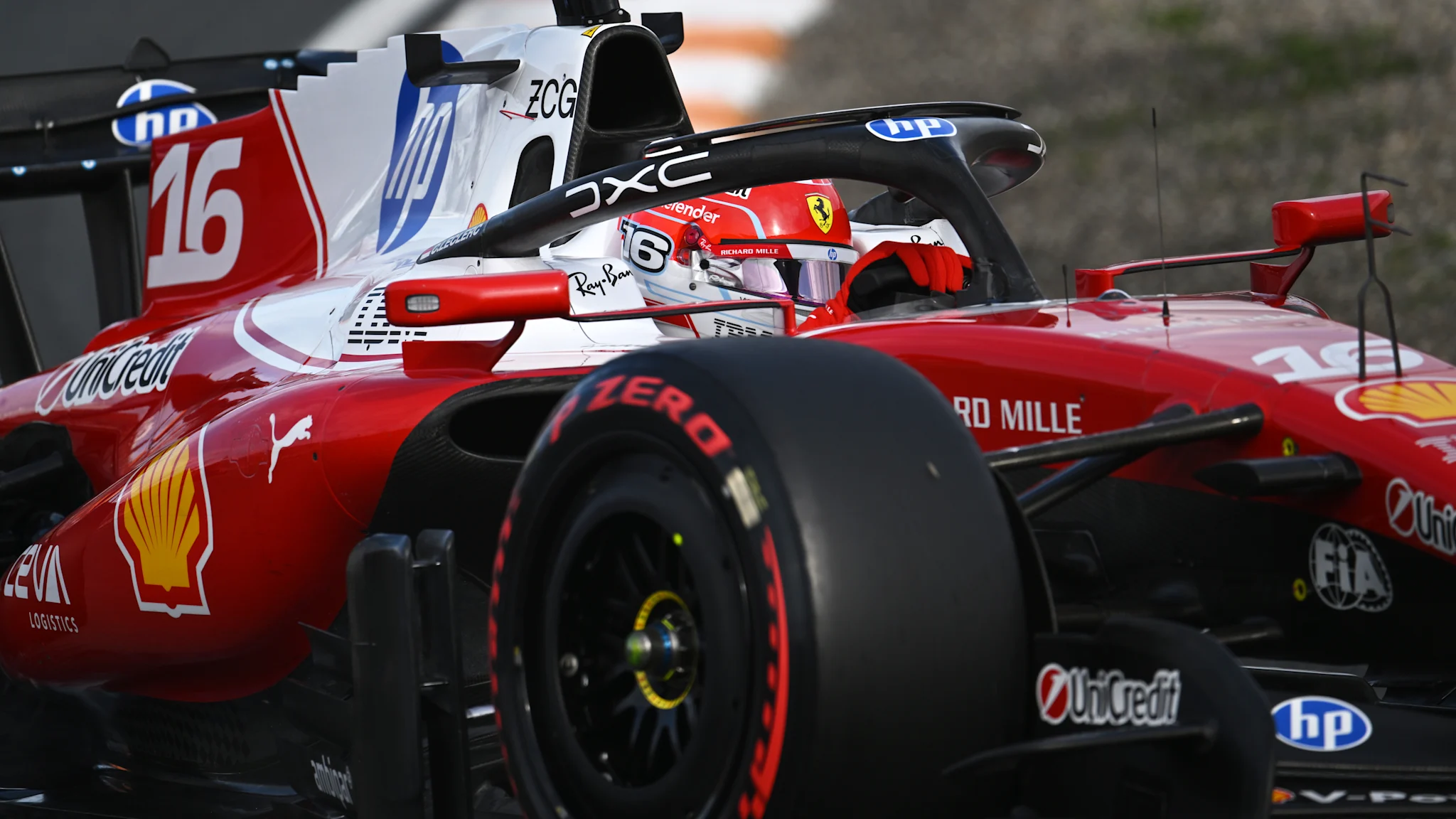
Teams will face a trade-off: use limited battery power to overcome turbo delays out of corners, risking energy depletion down straights. The impact won't be uniform across manufacturers due to differing turbo sizes. Smaller turbos, like Ferrari's, might suffer less lag but could overheat and max out early, losing power. Larger turbos, potentially like Audi's, could experience more initial lag but deliver greater peak air volume. This variable could significantly shake up the grid order, making corner exits and energy management crucial throughout the weekend. Austria will reveal which power unit concept handles this altitude challenge best, influencing future designs.
Read the full story at The Race